








The brand’s intent
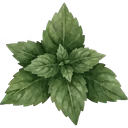
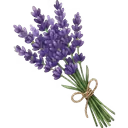
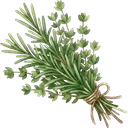
The official note list from the fragrance description: how the composition was conceived and presented.
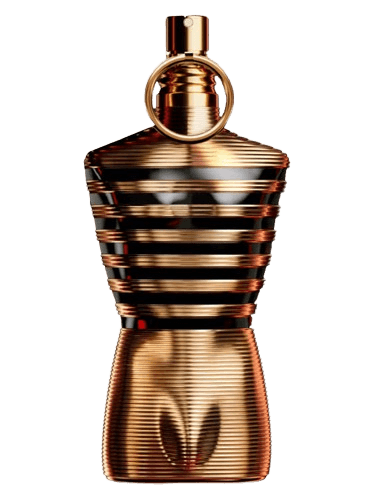
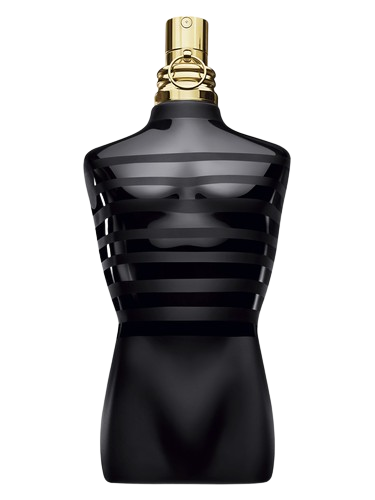
Jean Paul Gaultier Le Male Elixir — Tell 62, Signature. Half the men at the bar recognize it; the other half already own it. Recognized 66 · Enters first 63 · Compared 59 · Lands 46 · Self-effect 56.
Lasts from morning until night
almost everyonePerfect for cold weather
almost everyoneFills the entire room
almost everyoneSweet honey, vanilla, and tobacco
most peopleCloying due to heavy sweetness
a third«Addictive honey dessert with vanilla»
«Cloying like a jar of jelly beans»
Dosage settles the debate, not quality
The word passes to people.
You wear it — so you know what we don't. Thirty seconds, and the algorithm takes it into account.
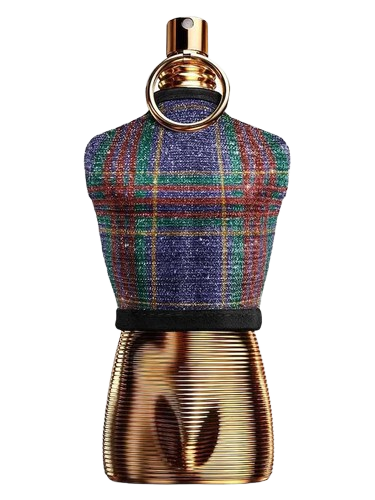 Jean Paul GaultierLe Male Elixir Collector Edition100%match of composition (notes and accords shared with this fragrance)VanillaSweetCaramel & HoneyTobacco✓ shared notes: Honey · Vanilla · Lavender +4
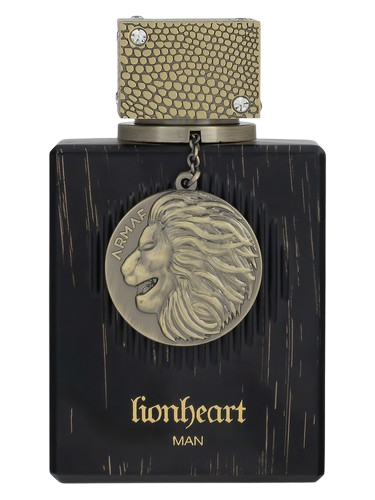 ArmafClub De Nuit Lionheart Man100%match of composition (notes and accords shared with this fragrance)VanillaSweetTobaccoMint✓ shared notes: Tonka Bean · Vanilla · Mint +4
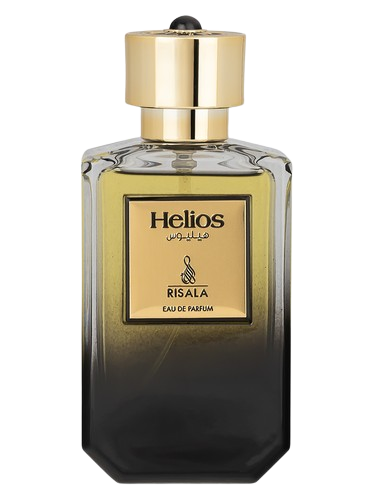 RisalaHelios99%match of composition (notes and accords shared with this fragrance)VanillaSweetTobaccoSmoky✓ shared notes: Vanilla · Mint · Tobacco +4
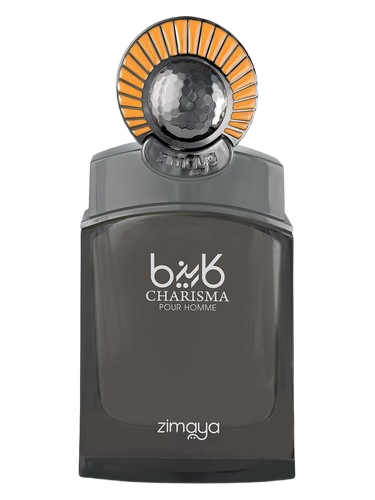 ZimayaCharisma Pour Homme98%match of composition (notes and accords shared with this fragrance)VanillaSweetCaramel & HoneyLavender✓ shared notes: Vanilla · Honey · Lavender +4
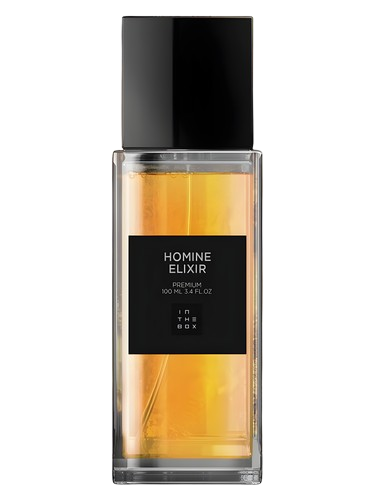 In The BoxHomine Elixir94%match of composition (notes and accords shared with this fragrance)VanillaCaramel & HoneySweetTobacco✓ shared notes: Honey · Vanilla · Lavender +3
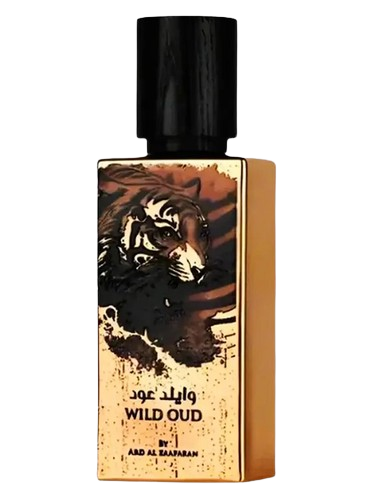 Ard Al ZaafaranWild Oud92%match of composition (notes and accords shared with this fragrance)VanillaSweetLavenderTobacco✓ shared notes: Vanilla · Tonka Bean · Lavender +4
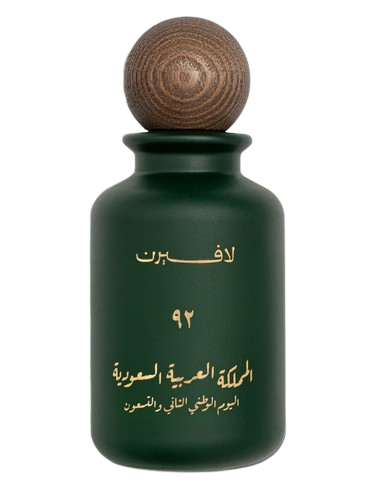 Laverne9290%match of composition (notes and accords shared with this fragrance)VanillaSweetTobaccoLavender✓ shared notes: Tonka Bean · Honey · Lavender +2
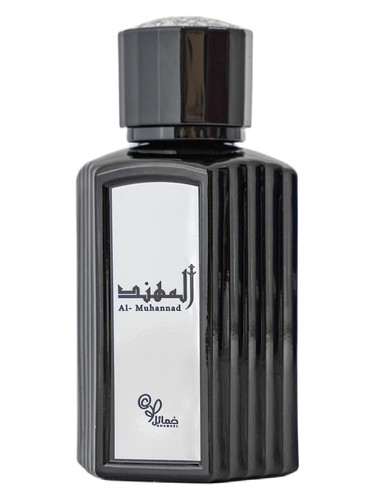 KhamaelAl-Muhanad88%match of composition (notes and accords shared with this fragrance)TobaccoVanillaLavenderSmoky✓ shared notes: Tobacco · Lavender · Honey +3
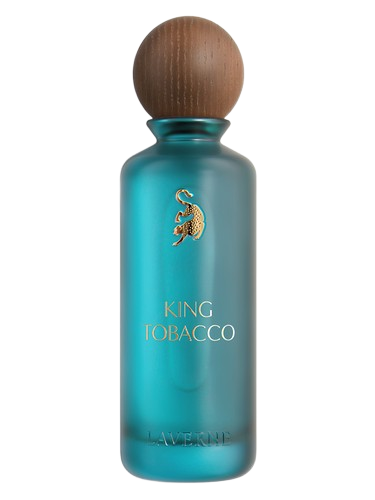 LaverneKing Tobacco85%match of composition (notes and accords shared with this fragrance)VanillaSweetTobaccoLavender✓ shared notes: Honey · Tobacco · Lavender +2
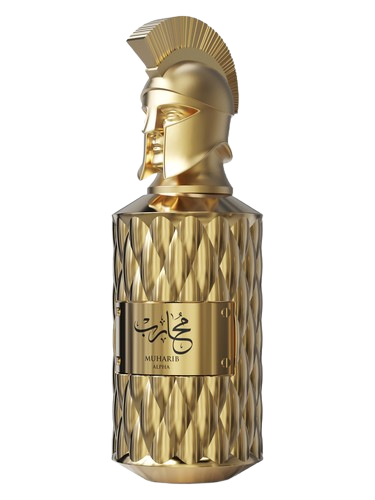 Le Falconé PerfumesMuharib Alpha85%match of composition (notes and accords shared with this fragrance)VanillaTobaccoSweetSmoky✓ shared notes: Tobacco · Honey · Vanilla +4
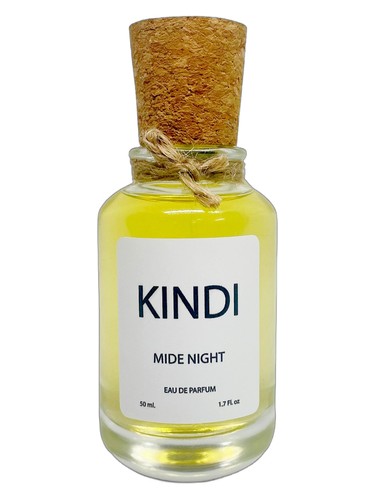 KINDIMide Night80%match of composition (notes and accords shared with this fragrance)VanillaTobaccoSweetLavender✓ shared notes: Lavender · Tonka Bean · Honey +2
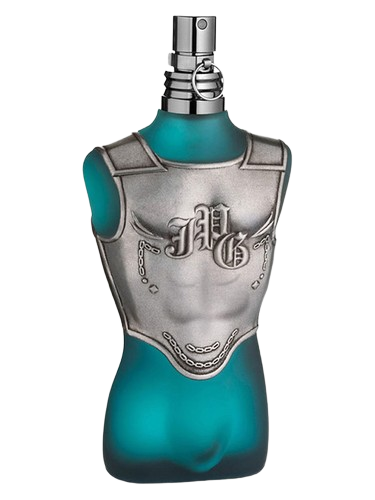 Jean Paul GaultierLe Male Gladiator80%match of composition (notes and accords shared with this fragrance)VanillaSweetLavenderMint✓ shared notes: Lavender · Vanilla · Tonka Bean +1
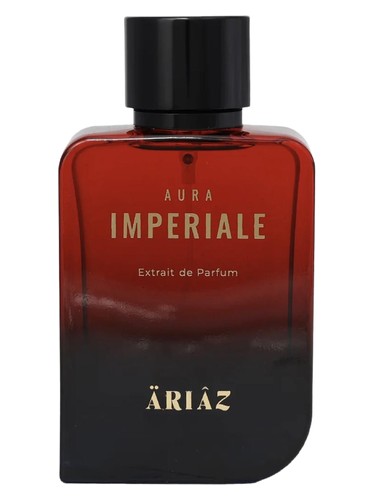 ÄRIÂZAura Imperiale78%match of composition (notes and accords shared with this fragrance)VanillaSweetTobaccoSmoky✓ shared notes: Vanilla · Honey · Tobacco +2
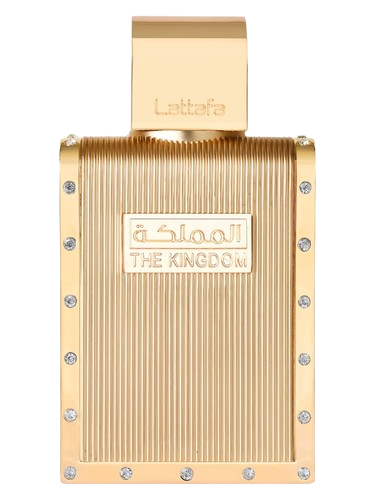 Lattafa PerfumesThe Kingdom78%match of composition (notes and accords shared with this fragrance)VanillaSweetResinousLavender✓ shared notes: Vanilla · Lavender · Tonka Bean +3
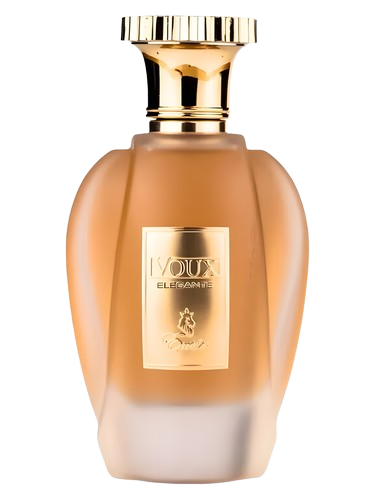 PARIS CORNERVoux Elegante77%match of composition (notes and accords shared with this fragrance)VanillaSweetTobaccoLavender✓ shared notes: Honey · Vanilla · Tonka Bean +2
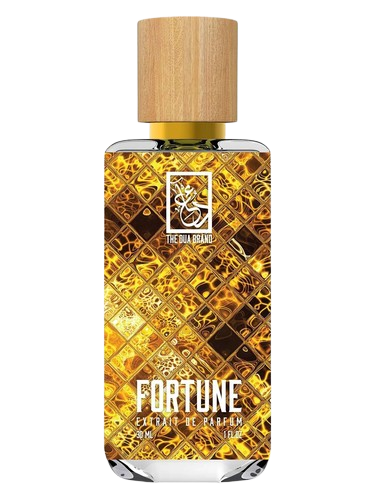 The Dua BrandFortune76%match of composition (notes and accords shared with this fragrance)VanillaTobaccoSweetSmoky✓ shared notes: Tobacco · Honey · Lavender +2
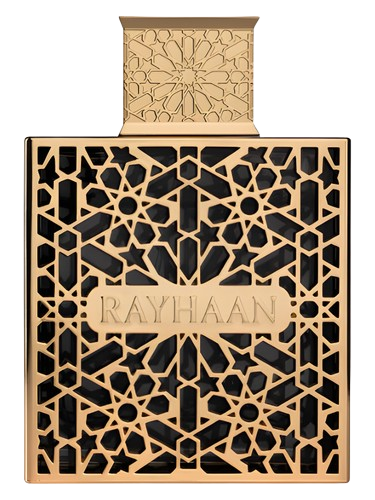
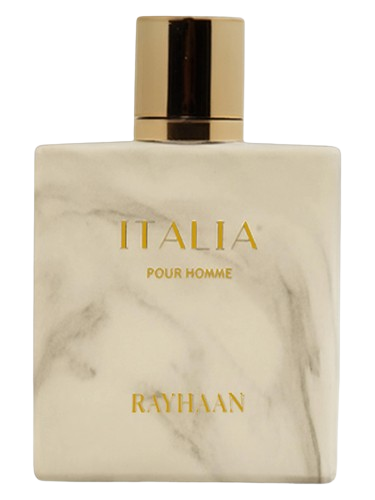 RayhaanItalia76%match of composition (notes and accords shared with this fragrance)VanillaSweetTobaccoLavender✓ shared notes: Vanilla · Honey · Lavender +2
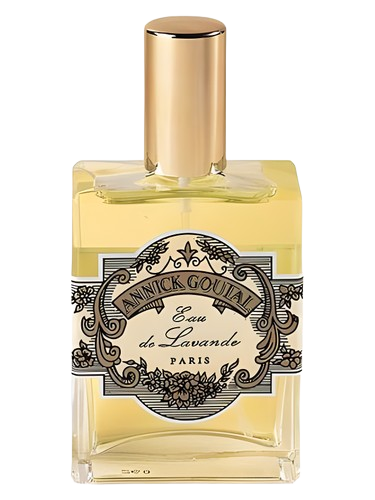 GoutalEau de Lavande75%match of composition (notes and accords shared with this fragrance)VanillaSweetLavenderAromatic✓ shared notes: Lavender · Tonka Bean · Vanilla
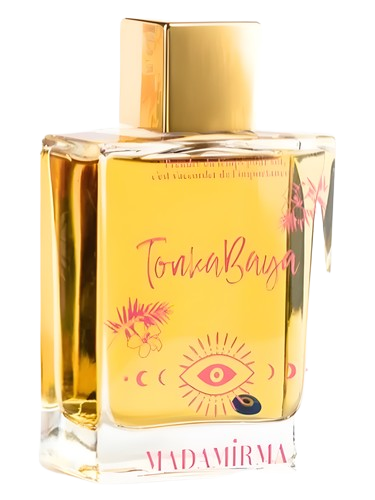 MadamirmaTonkabaya75%match of composition (notes and accords shared with this fragrance)VanillaTobaccoSweetCaramel & Honey✓ shared notes: Honey · Tonka Bean · Vanilla +1
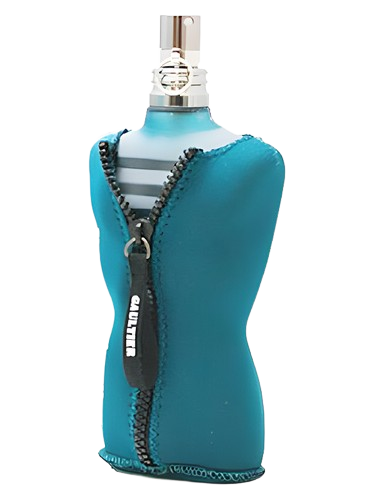 Jean Paul GaultierLe Male Scuba Diver75%match of composition (notes and accords shared with this fragrance)VanillaSweetLavenderMint✓ shared notes: Vanilla · Tonka Bean · Lavender +1
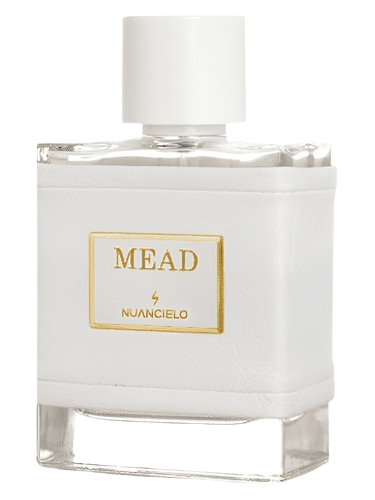 NuancieloMead75%match of composition (notes and accords shared with this fragrance)TobaccoVanillaSmokyLavender✓ shared notes: Honey · Lavender · Tobacco +2
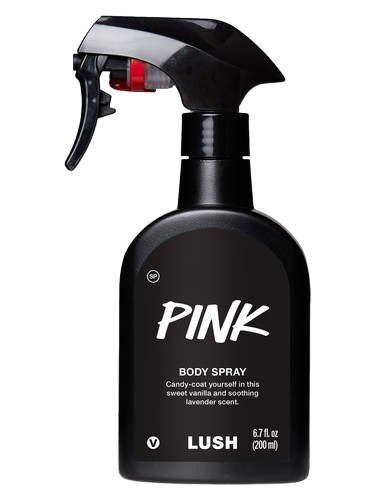 LushPink74%match of composition (notes and accords shared with this fragrance)VanillaSweetLavenderAromatic✓ shared notes: Lavender · Vanilla · Tonka Bean
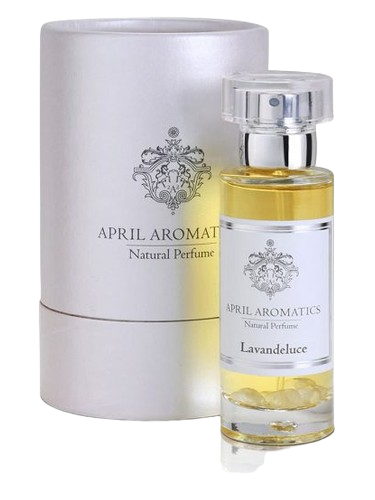 April AromaticsLavandeluce74%match of composition (notes and accords shared with this fragrance)VanillaSweetLavenderCaramel & Honey✓ shared notes: Lavender · Honey · Tonka Bean +1
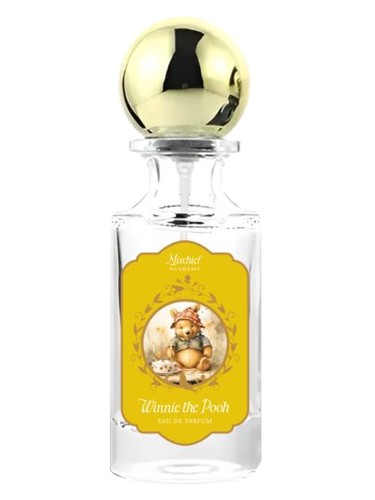 Mischief AcademyWinnie the Pooh74%match of composition (notes and accords shared with this fragrance)VanillaSweetCaramel & HoneyLavender✓ shared notes: Honey · Vanilla · Tonka Bean +1
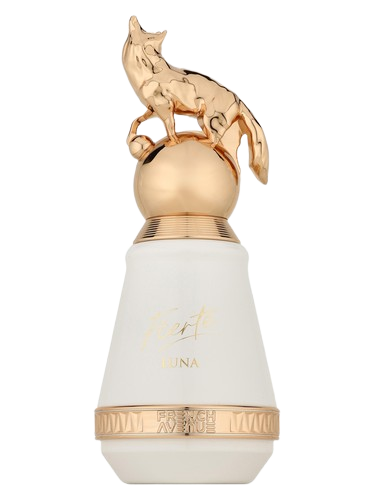 French AvenueFierte Luna74%match of composition (notes and accords shared with this fragrance)VanillaSweetTobaccoLavender✓ shared notes: Honey · Lavender · Vanilla +2
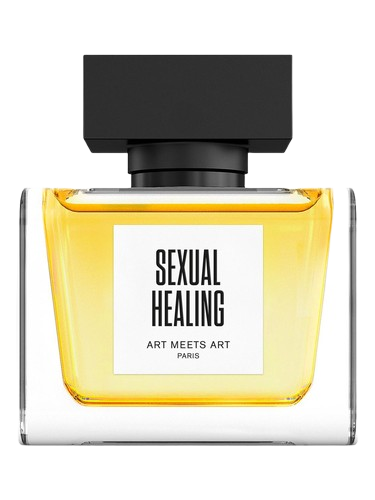 Art Meets ArtSexual Healing74%match of composition (notes and accords shared with this fragrance)VanillaSweetTobaccoCaramel & Honey✓ shared notes: Honey · Vanilla · Tobacco
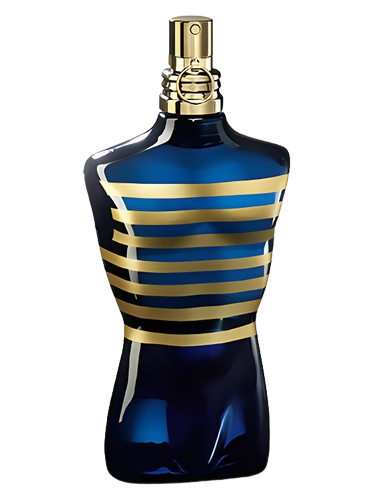 Jean Paul GaultierLe Male Capitaine Collector74%match of composition (notes and accords shared with this fragrance)VanillaSweetLavenderMint✓ shared notes: Vanilla · Mint · Lavender
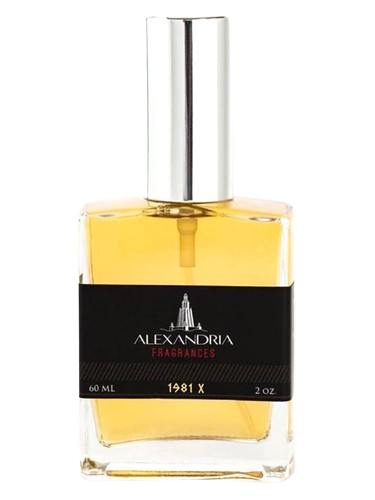 Alexandria Fragrances1981X73%match of composition (notes and accords shared with this fragrance)VanillaTobaccoSweetSmoky✓ shared notes: Tonka Bean · Honey · Tobacco +2
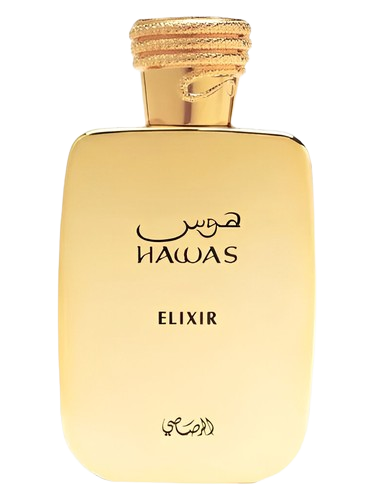 RasasiHawas Elixir73%match of composition (notes and accords shared with this fragrance)VanillaSweetCocoa & NutsLavender✓ shared notes: Vanilla · Lavender · Mint +2
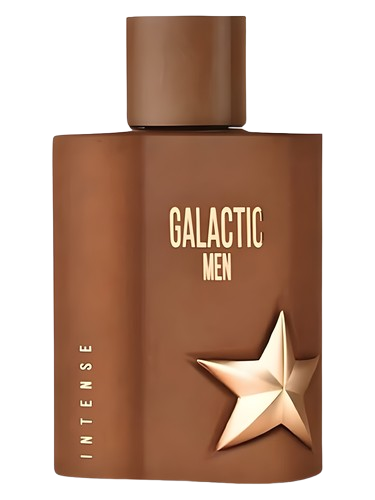 Maison AlhambraGalactic Men Intense73%match of composition (notes and accords shared with this fragrance)VanillaSweetTobaccoAmber✓ shared notes: Honey · Tobacco · Tonka Bean +2
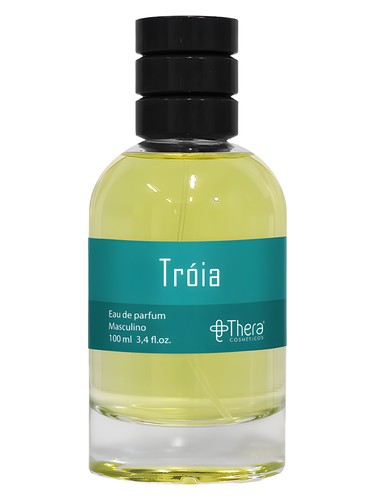 Thera CosméticosTróia73%match of composition (notes and accords shared with this fragrance)VanillaSweetCocoa & NutsTobacco✓ shared notes: Honey · Tobacco · Tonka Bean +2
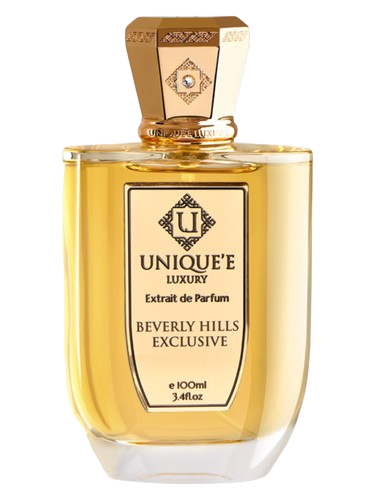 Unique'e LuxuryBeverly Hills Exclusive73%match of composition (notes and accords shared with this fragrance)TobaccoSmokyCaramel & HoneyVanilla✓ shared notes: Honey · Tobacco · Tonka Bean
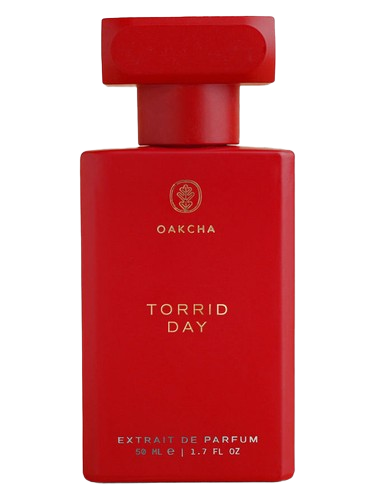 OakchaTorrid Day73%match of composition (notes and accords shared with this fragrance)VanillaSweetTobaccoSmoky✓ shared notes: Tonka Bean · Vanilla · Tobacco
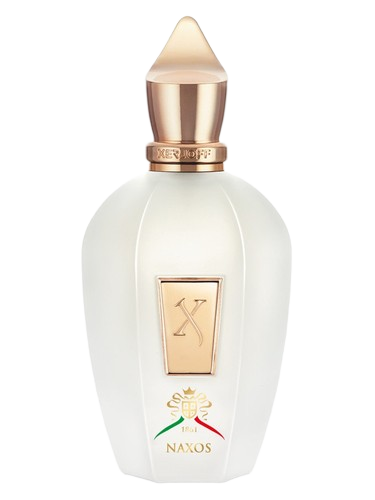
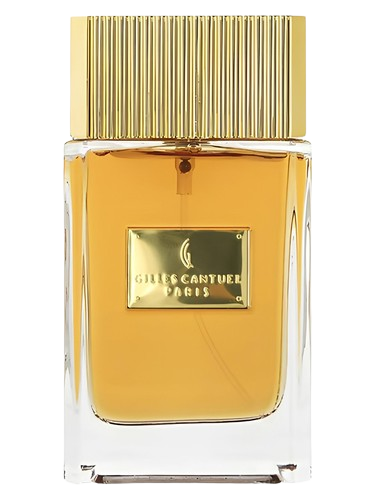 Gilles CantuelGilles Cantuel Vanilla Eau de Parfum72%match of composition (notes and accords shared with this fragrance)VanillaSweetTobaccoSmoky✓ shared notes: Vanilla · Tobacco · Tonka BeanXerjoffXJ 1861 Naxos72%match of composition (notes and accords shared with this fragrance)VanillaTobaccoSweetSmoky✓ shared notes: Honey · Tobacco · Lavender +2
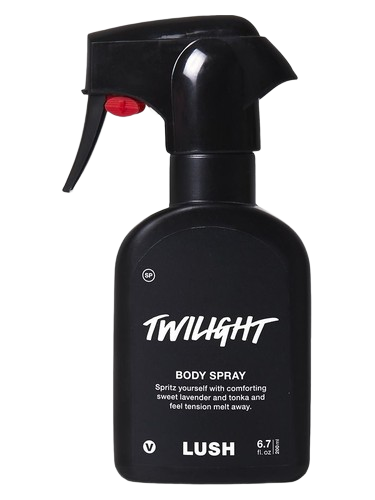 LushTwilight Body Spray72%match of composition (notes and accords shared with this fragrance)VanillaLavenderSweetAromatic✓ shared notes: Lavender · Tonka Bean · Benzoin
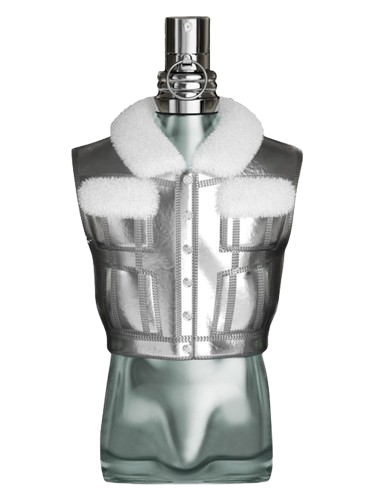 Jean Paul GaultierLe Male Xmas Limited Edition72%match of composition (notes and accords shared with this fragrance)VanillaLavenderMintSweet✓ shared notes: Lavender · Mint · Vanilla
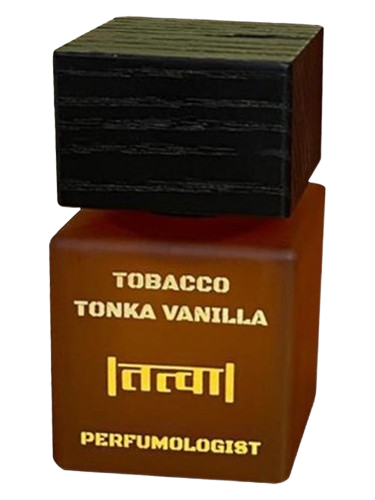 PerfumologistTatva72%match of composition (notes and accords shared with this fragrance)VanillaTobaccoSweetSmoky✓ shared notes: Tobacco · Tonka Bean · Vanilla
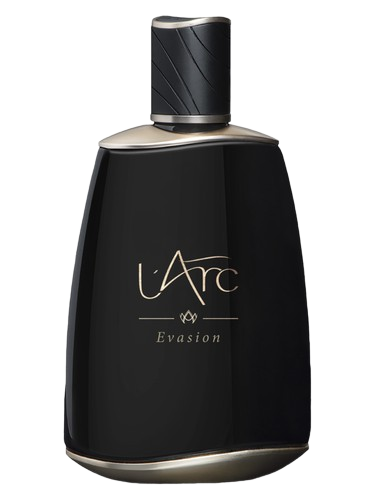 L'ArcEvasion Digo de Havane72%match of composition (notes and accords shared with this fragrance)VanillaLavenderSweetCaramel & Honey✓ shared notes: Lavender · Honey · Tobacco +1
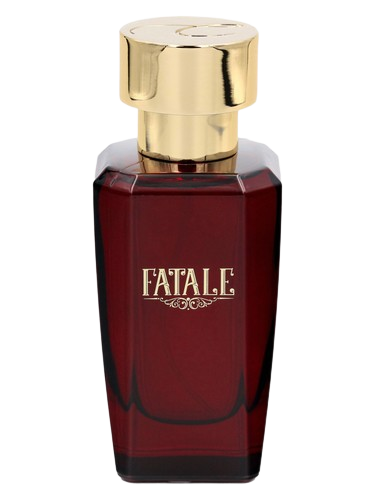 CuratrixFatale72%match of composition (notes and accords shared with this fragrance)VanillaSweetTobaccoLavender✓ shared notes: Vanilla · Honey · Tobacco +2
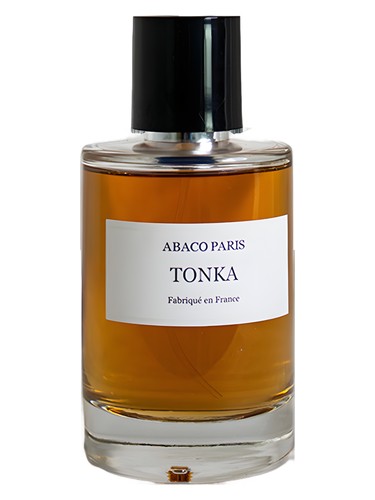 Abaco ParisTonka72%match of composition (notes and accords shared with this fragrance)VanillaSweetMintCocoa & Nuts✓ shared notes: Tonka Bean · Vanilla · Mint +2
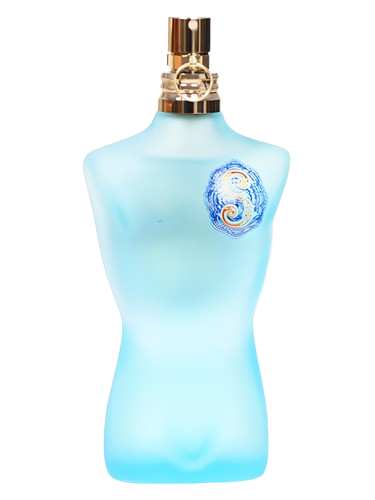 Jean Paul GaultierLe Male Tonique Cologne72%match of composition (notes and accords shared with this fragrance)LavenderVanillaAromaticSweet✓ shared notes: Lavender · Tonka Bean · Mint +1
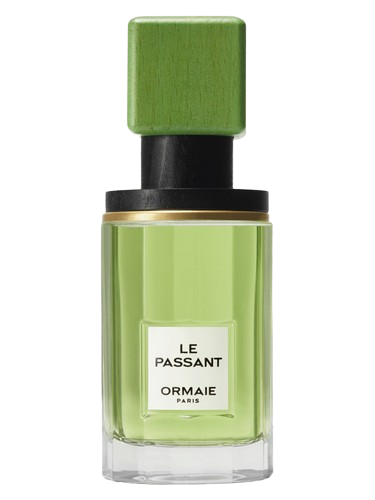 OrmaieLe Passant72%match of composition (notes and accords shared with this fragrance)VanillaSweetLavenderAromatic✓ shared notes: Tonka Bean · Lavender · Vanilla
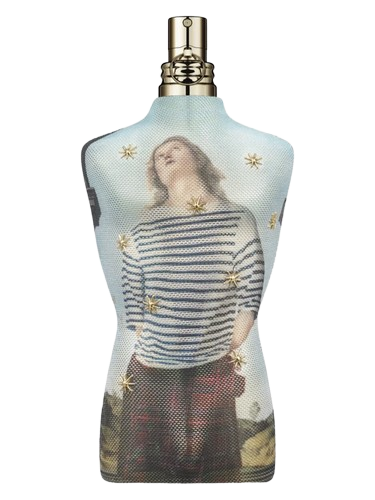 Jean Paul GaultierLe Male Collector Edition 202472%match of composition (notes and accords shared with this fragrance)VanillaMintLavenderSweet✓ shared notes: Mint · Lavender · Vanilla
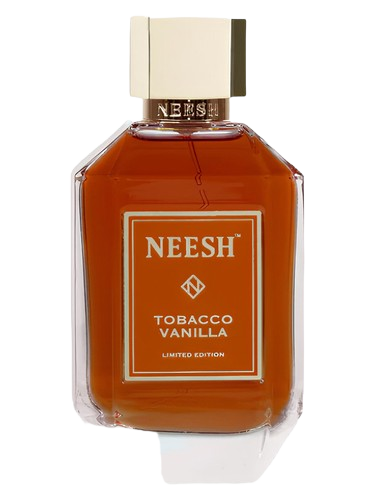 Neesh PerfumesTobacco Vanilla72%match of composition (notes and accords shared with this fragrance)VanillaSweetTobaccoSmoky✓ shared notes: Vanilla · Tobacco · Tonka Bean +2
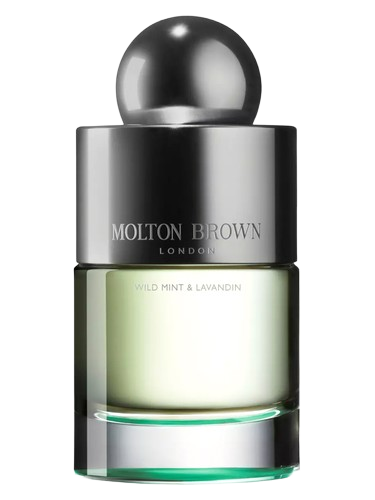 Molton BrownWild Mint & Lavandin72%match of composition (notes and accords shared with this fragrance)LavenderMintAromaticVanilla✓ shared notes: Lavender · Mint · Tonka Bean
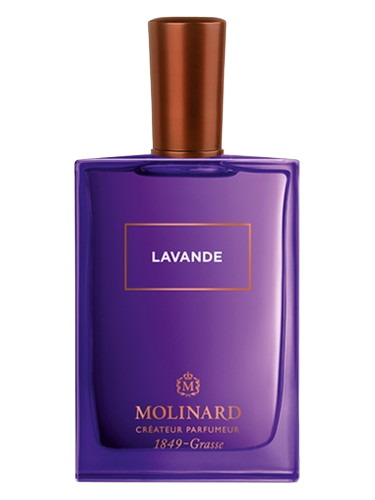 MolinardLavande Eau de Parfum71%match of composition (notes and accords shared with this fragrance)VanillaSweetLavenderResinous✓ shared notes: Vanilla · Lavender · Benzoin +1
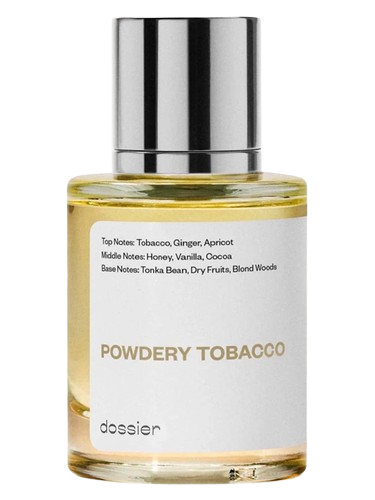 DossierPowdery Tobacco71%match of composition (notes and accords shared with this fragrance)VanillaSweetTobaccoCaramel & Honey✓ shared notes: Tobacco · Tonka Bean · Honey +1
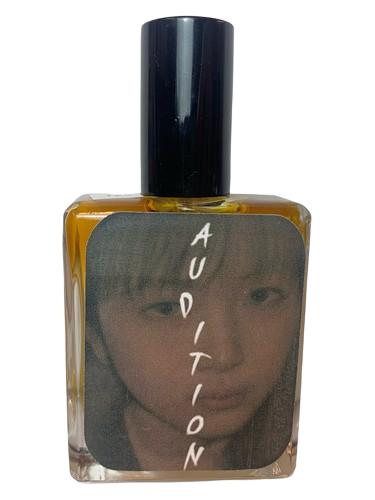 Phronema PerfumesAudition71%match of composition (notes and accords shared with this fragrance)VanillaSweetTobaccoSmoky✓ shared notes: Vanilla · Tobacco · Honey +2
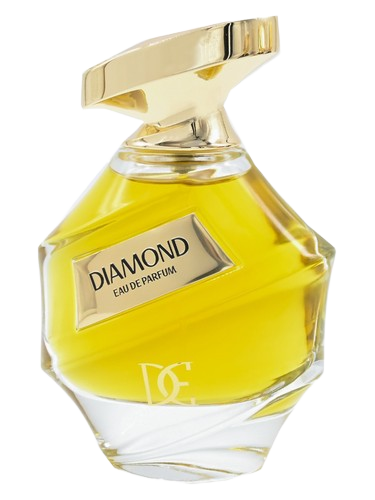 Dkhoon EmiratesDiamond71%match of composition (notes and accords shared with this fragrance)VanillaSweetTobaccoLavender✓ shared notes: Lavender · Tonka Bean · Vanilla +2